






Car Accessories

(107)

Vehicular Aftermarket Accessories and Utility Systems

Vehicular aftermarket accessories from ShopForUrAuto encompass specialized utility systems engineered for spatial optimization, surface decontamination, electronic integration, and mechanical maintenance. Operators must evaluate components based on vehicle architecture, spatial constraints, material composition, mounting topology, and operational requirements.

Component selection requires rigorous verification of dimensional tolerances, fitment parameters, package contents, power draw specifications, and compatibility matrices. These variables fluctuate across product variations and must be validated prior to procurement.

Operational Domains and Component Architecture

Accessory systems are categorized by their primary functional objective within the vehicular ecosystem:
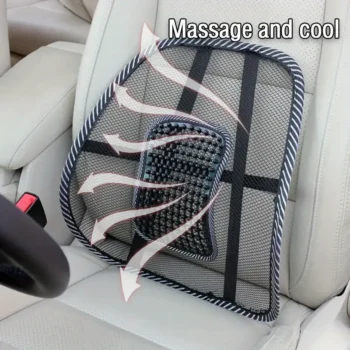
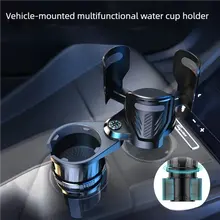
  • Spatial Optimization: Cargo compartment storage systems, console organization modules, and cabin debris containment receptacles.
  • Cabin Surface Decontamination: Specialized tooling and chemical applicators for routine interior substrate maintenance.
  • Exterior Substrate Maintenance: Washing brushes, high-GSM microfiber textiles, precision detailing brushes, and tire-care formulations.
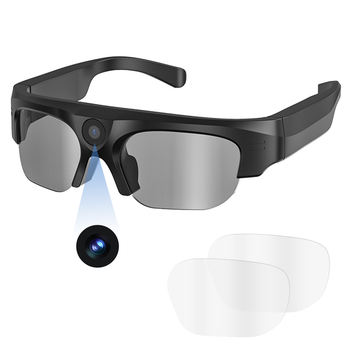
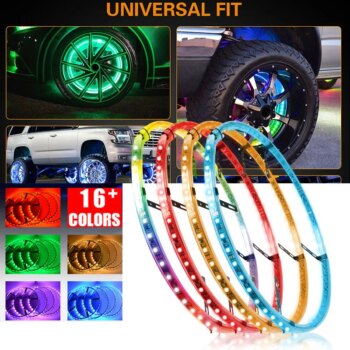
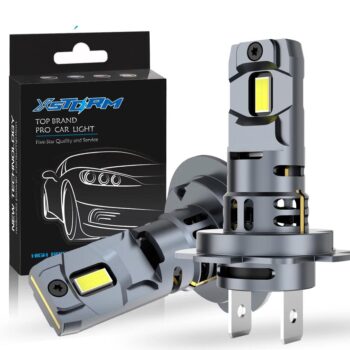
  • Vehicular Electronic Integration: Surveillance systems (dash cams), interior illumination arrays, device mounting hardware, and power distribution modules.
  • Mechanical Utility: Comprehensive toolkits and servicing apparatus for routine vehicular maintenance tasks.

Technical Compatibility and Installation Protocols

Procurement decisions must be predicated on empirical data: dimensional constraints, material tensile strength, mounting interface specifications, and included hardware. For electronic modules, operators must verify voltage compatibility, device interface protocols, mounting topology, and vehicle-specific operational limitations. For chemical applications, substrate testing on inconspicuous areas is mandatory prior to full deployment. When deploying mounted electronic modules (e.g., device holders, surveillance systems, display units), installation must strictly adhere to NHTSA driver-distraction mitigation protocols. Components must not obstruct the operator's line of sight, impede access to primary vehicle controls, or interfere with supplemental restraint systems. Review NHTSA driver-distraction guidance.

Frequently Asked Questions: Procurement and Deployment Parameters

What accessory systems are optimal for novice vehicle operators?

Optimal configurations depend on specific operational requirements. Standard deployments include spatial organization modules, device mounting hardware, decontamination tooling, emergency response items, power distribution accessories, and visibility-enhancement systems. Compatibility and installation parameters must be validated prior to acquisition.

Can accessory systems mitigate vehicular interior degradation?

Yes. Protective systems, including upholstery covers, spatial organizers, and decontamination tooling, manage abrasive wear, fluid spills, spatial clutter, and particulate accumulation. Efficacy is contingent upon material specifications, installation precision, and adherence to maintenance protocols.

Are these accessory systems universally compatible with all vehicle platforms?

No. Compatibility is strictly contingent upon vehicle architecture, dimensional tolerances, mounting interface topology, material composition, electrical requirements, and intended operational use. Operators must validate product specification matrices prior to procurement.

What is the installation complexity for these accessory systems?

Deployment protocols vary by component class. Passive spatial modules may require simple mechanical attachment, whereas electronic integrations, hardwired systems, or drilled mounts necessitate specialized tooling, vehicle-specific technical knowledge, or professional deployment.

What are the deployment parameters for mounted device holders or displays?

Mounted accessories must be positioned to ensure zero obstruction of the operator's line of sight, zero interference with primary vehicle controls, and zero disruption to airbag deployment zones. Installation must comply with product directives, vehicle manufacturer manuals, and local regulatory requirements.

Product Information and Safety Directives

Review all technical instructions and compatibility matrices prior to deployment. Install vehicular accessories in locations that do not obstruct operator visibility, impede pedal or steering operation, interfere with supplemental restraint systems, or induce cognitive distraction. If deployment requires electrical wiring, structural drilling, or vehicle modification, consultation with a qualified automotive technician is strongly recommended.
Car Air Mattress – Comfortable and Durable Gear for Travel
FREE DELIVERY

On all orders

Car Air Mattress – Comfortable and Durable Gear for Travel
FREE RETURNS

No questions asked return policy

Car Air Mattress – Comfortable and Durable Gear for Travel
NEED HELP? support@shopforurauto.com

We're always there for you

Car Air Mattress – Comfortable and Durable Gear for Travel
MONEY BACK GUARANTEE

Worry-free shopping

Top

Shopping cart

×