







Professional Car Repair Tools | Pro Auto Tools
Professional Car Repair Tools and Pro Auto Tools support vehicle maintenance, diagnostics, fastening, inspections, and garage projects. Browse automotive diagnostic tools, torque tools, mechanic tool sets, hand tools, work lights, and workshop accessories for routine service and more involved repair tasks.
Select automotive tools according to the vehicle, repair procedure, fastener size, drive size, torque specification, work area, product instructions, and your experience level. Always follow the vehicle manufacturer’s service information and the instructions supplied with each tool.Professional Car Repair Tools for Garage and Vehicle Maintenance
Professional car repair tools can help you prepare for maintenance, troubleshooting, inspections, and fastening tasks when you select the correct tool for the procedure. This collection may include OBD2 scanners, torque wrenches, socket sets, mechanic tool kits, inspection lights, hand tools, and related workshop equipment. Before choosing an item, review the individual product listing for vehicle compatibility, included components, measurements, drive size, materials, intended use, operating requirements, and safety instructions. A tool that works for one vehicle, fastener, connector, or repair procedure may not be suitable for another.Pro Auto Tools for Diagnostics and Garage Work
Pro Auto Tools includes automotive tools and accessories for maintenance, diagnostic checks, fastening, inspections, and garage work. Choose items based on your vehicle’s requirements and the job you plan to complete, then review the product page for specifications, compatibility information, included accessories, and instructions before ordering. For basic maintenance, useful tools may include sockets, ratchets, combination wrenches, pliers, screwdrivers, tire-pressure tools, task lighting, and appropriate personal protective equipment. Some repairs require model-specific tools, service procedures, diagnostic devices, or assistance from a qualified technician.Automotive Diagnostic Tools
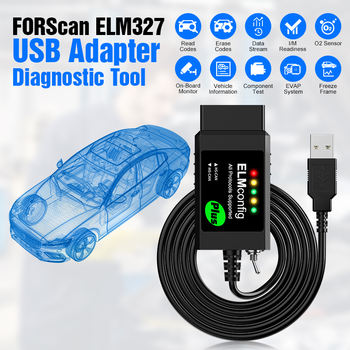
Automotive diagnostic tools can help retrieve supported trouble codes and display vehicle data available through the selected device and vehicle system. A diagnostic code is a starting point for inspection and testing; it does not automatically confirm the failed part or the repair required. Review the product listing before ordering to confirm vehicle year, make, model, supported protocols, app requirements, phone or operating-system compatibility, supported functions, subscription requirements, language settings, and included accessories.- OBD2 scanners: May read or clear supported diagnostic trouble codes and display selected vehicle information.
- Bluetooth diagnostic scanners: May connect with a compatible device and supported application.
- Code readers: Can help review supported engine-related codes and available vehicle data.
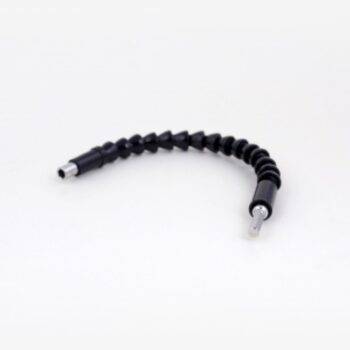
- Inspection tools: May assist with visual checks in difficult-to-reach vehicle areas.
Torque Wrenches and Fastening Tools
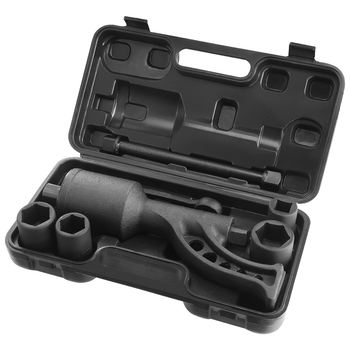
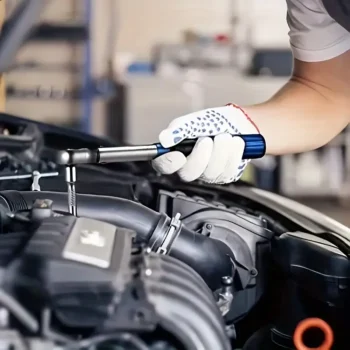
Torque wrenches are intended to help apply a specified amount of torque when used correctly. Use the torque value, tightening sequence, fastener condition, lubrication requirements, and repair procedure specified by the vehicle manufacturer or applicable service documentation. Do not use a torque wrench as a breaker bar unless the manufacturer specifically states that the tool is designed for that application. Store, maintain, and calibrate torque tools according to the product instructions.- Torque wrenches: Choose the appropriate drive size and torque range for the vehicle fastener and repair procedure.
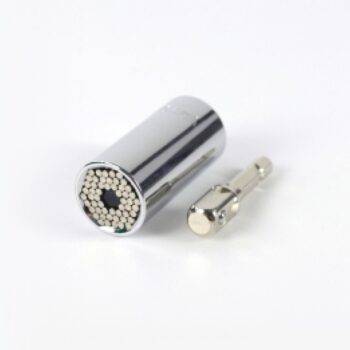
- Socket sets: Select the correct metric or SAE size and do not use sockets that are worn, cracked, or damaged.
- Ratchets and breaker bars: Use a tool rated for the intended loosening or tightening task.
- Wrench sets: Can be useful where socket access is limited.
Mechanic Tool Sets and Workshop Essentials
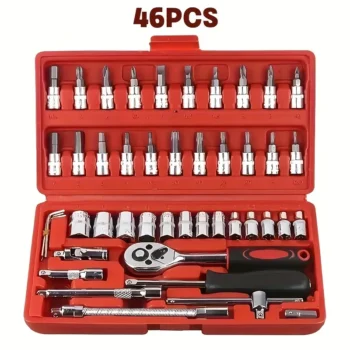
Mechanic tool sets can provide a practical foundation for common vehicle maintenance tasks. Included items differ by product, so confirm the number of pieces, socket and drive sizes, tool types, storage case, materials, and intended uses on the individual product page. A garage setup should reflect the maintenance tasks you perform most often. Basic work may call for sockets, ratchets, combination wrenches, screwdrivers, pliers, tire-pressure equipment, and safety gear. More involved repair work may require vehicle-specific tools and verified service information.- Mechanic tool sets: May include sockets, ratchets, extensions, bits, and related hand tools.
- Automotive hand tools: May include pliers, screwdrivers, picks, cutters, and repair accessories.
- Garage organization tools: Can help keep tools and accessories accessible in a work area.
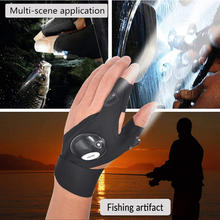
- Task lighting: Can improve close-range visibility around engine bays, dashboards, wheels, and other work areas.
How to Choose Professional Car Repair Tools
Choose professional car repair tools according to the repair task, vehicle requirements, tool specifications, access limitations, and the service instructions for your vehicle. Do not select a tool solely from a general category label or product image.| Tool Category | Useful for | What to Check Before Buying |
|---|---|---|
| Diagnostic Scanners | Reviewing supported vehicle codes and available data | Vehicle year, make, model, protocol, supported systems, app requirements, and listed functions |
| Torque Wrenches | Applying specified torque to compatible fasteners | Drive size, torque range, accuracy specification, calibration instructions, and service requirements |
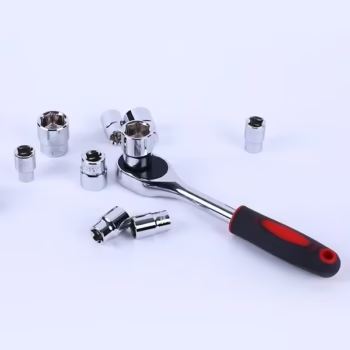
| Socket and Wrench Sets | Routine fastening, removal, and installation work | Metric or SAE sizes, drive size, included pieces, extensions, and intended application |
| Mechanic Tool Sets | Building a collection of common automotive hand tools | Included tools, storage case, sizes, materials, and suitability for the intended task |
| Work Lights and Inspection Tools | Improving visibility for close-range work and inspections | Battery type, charging method, mounting options, listed brightness, water resistance, and operating instructions |
Vehicle Repair Safety Basics
Vehicle maintenance and repair can involve crush hazards, electrical hazards, hot surfaces, sharp edges, chemicals, moving parts, and pressurized components. Read the vehicle owner’s manual, applicable repair documentation, warning labels, and the instructions supplied with each tool before beginning work.- Park on a stable, level surface and engage the parking brake before beginning a repair.
- Use properly rated jack stands at the correct support points when lifting a vehicle; never rely only on a jack to support a vehicle.
- Wear suitable eye protection and use gloves appropriate for the task and the risk of moving components.
- Allow the engine, exhaust, brake, and cooling-system components to cool before servicing them.
- Keep hands, loose clothing, hair, cables, and tools away from belts, fans, moving components, and electrical connections.
- Follow vehicle-specific procedures before working around batteries, high-voltage systems, airbags, fuel systems, brakes, steering components, or electrical wiring.
- Stop and consult a qualified technician if you are unsure about the repair procedure, torque value, lift point, diagnostic result, or required safety steps.